
Public Thinking, Practice & Contribution
My work has been featured in national press, academic research, and practitioner publications. These pieces reflect moments of professional contribution across classrooms, leadership and educational dialogue.
I was featured In:



Research Publications
Academic Engagement & Research Participation
Invited Academic Engagement and Research Participation
Dr Wei Shin Leong
I participated as a case-study teacher (referred to as “Alisha”) in Dr Wei Shin Leong’s published research on classroom assessment practices in Singapore.
The study examined teachers’ conceptions and enactment of assessment through extended interviews and classroom observations.
-
Sustained classroom observation
Reflective interviews
Professional dialogue on assessment design
Feedback practices
Pedagogical decision-making
This work contributed to broader discussions on how teachers interpret, implement, and adapt assessment within complex classroom realities.
-
Author, Knowing the Intentions, Meaning and Context of Classroom Assessment. Published in Studies in Educational Evaluation
Education Intelligence
I write a weekly LinkedIn newsletter exploring questions on curriculum, leadership, technology, and professional judgement. These essays are reflective rather than instructional, designed to slow thinking down rather than accelerate conclusions.
-
01
Curriculum Coherence & Learning Design
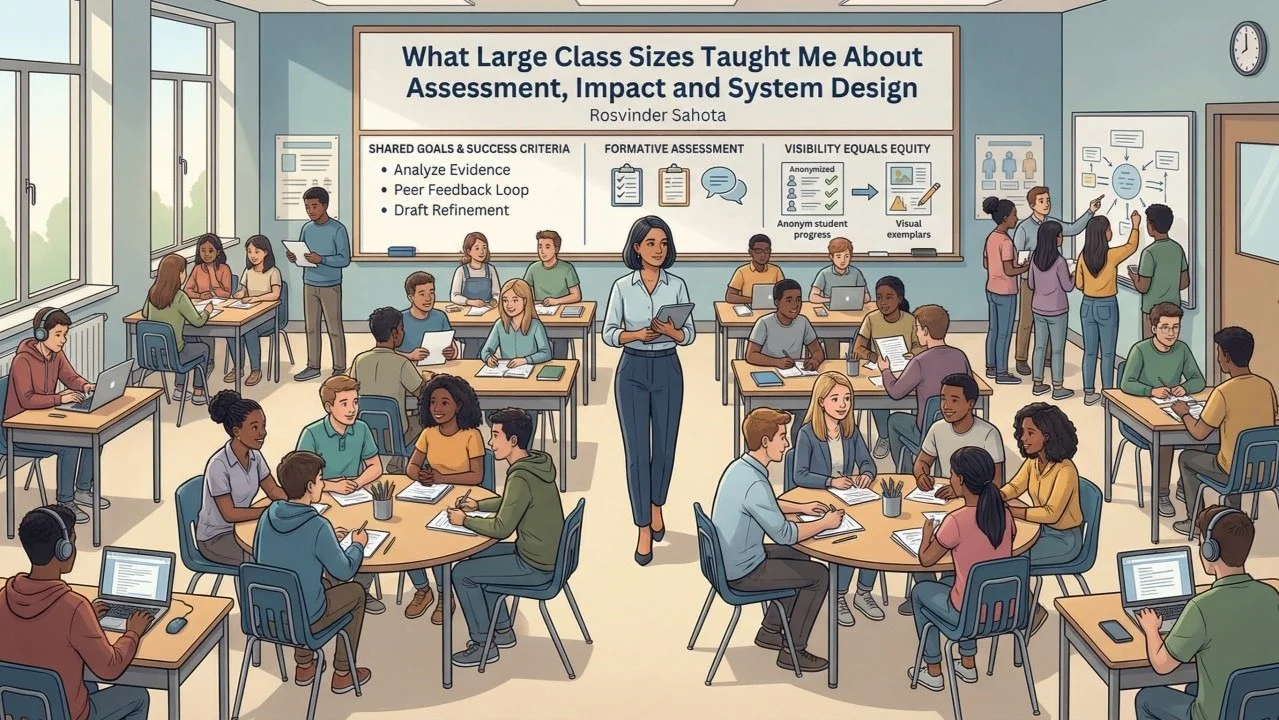
What Large Class Sizes Taught Me About Assessment. I used to think size doesn’t matter. Then I taught thirty-five students at once. That moment strips teaching down to its essentials……
-
02
Leadership Judgement Under Pressure
When Curriculum Expands, Something Has to Give. Back in 2012, long before AI entered everyday education conversations, I was working with teachers who were already grappling with a familiar tension……
-
03
Teacher Capability, Trust & Mentoring
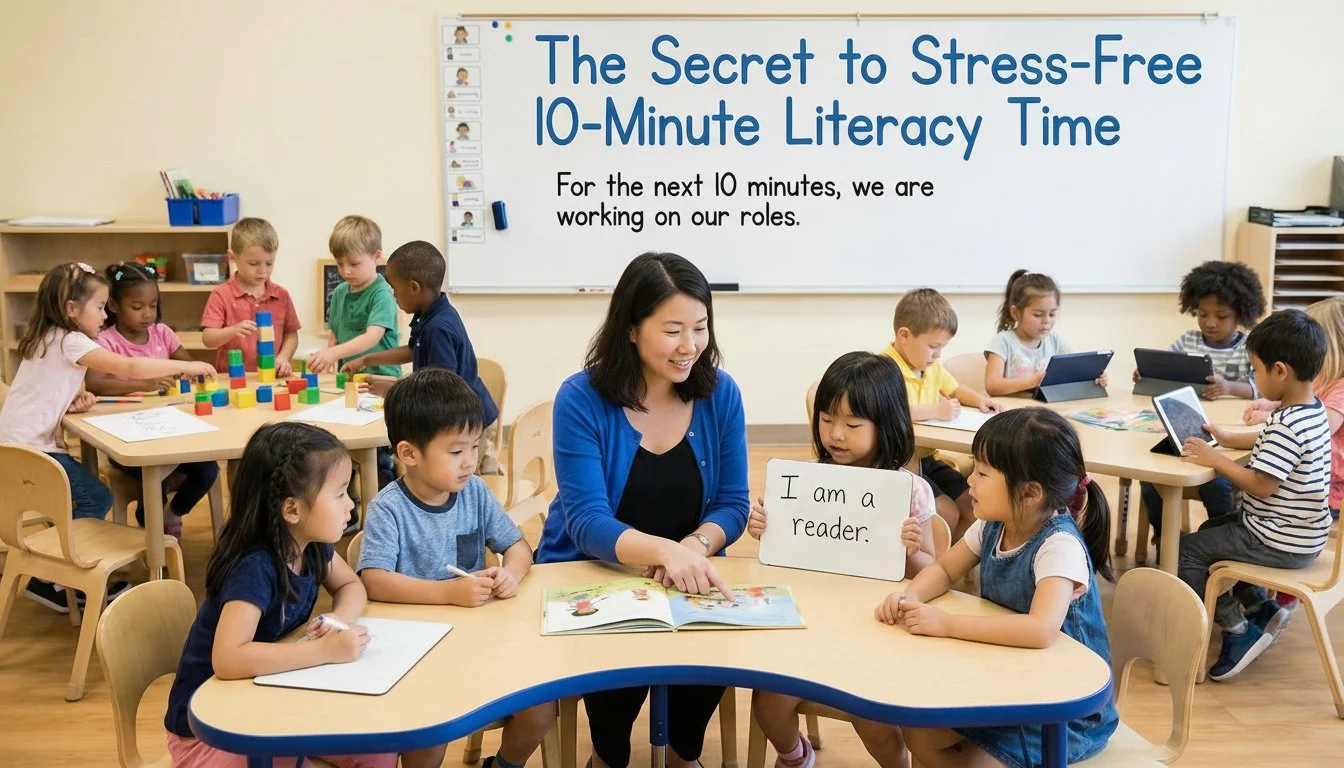
If I weren’t a teacher mentor, I’m fairly sure I’d be a professional juggler — because anyone who has spent even five minutes in a kindergarten classroom knows just how much teachers are already juggling……
-

04
Ethical Use of AI & Educational Technology
AI in Education: Infrastructure or Judgement Work? “How do I create meaningful, AI-guided writing lessons when we don’t even have the infrastructure?” the principal said, almost apologetically……
-
05
Organisational Growth with Learning Integrity
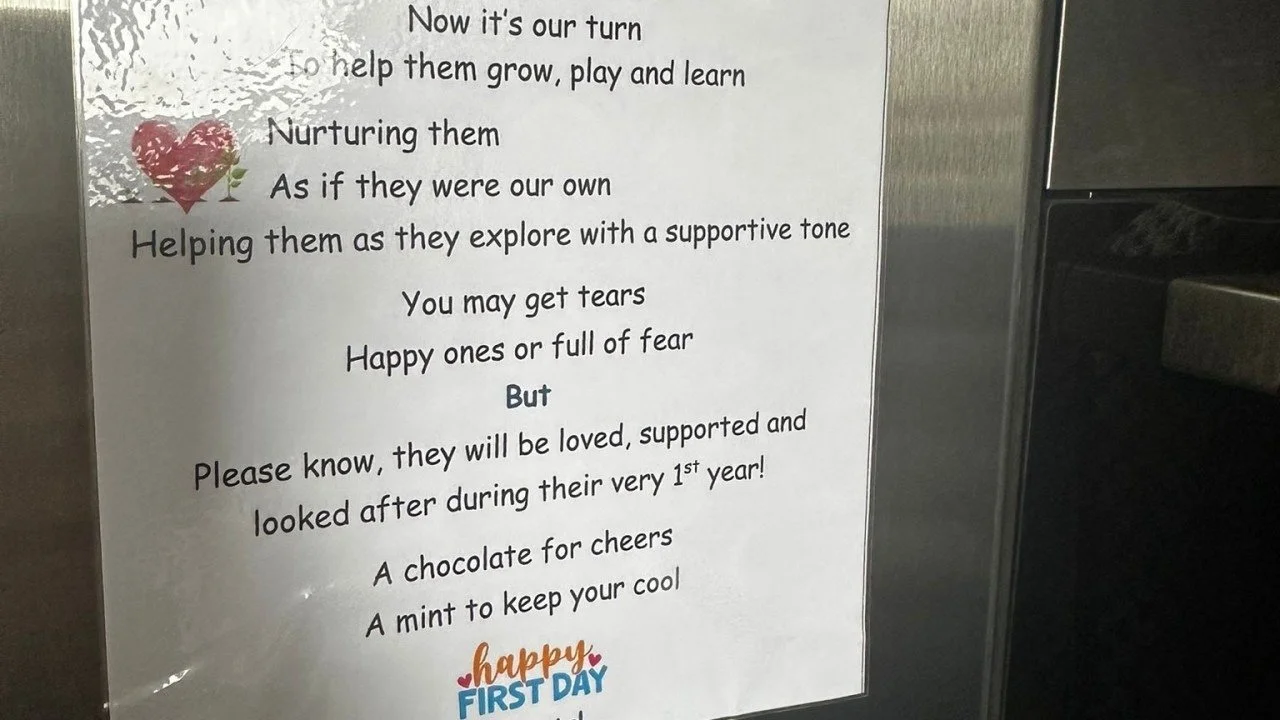
The School Year Started with a Poem. The principal addressed all parents seated in the school hall and spoke to what many of us feel but don’t always say out loud. The first day of school is a big moment for children and a tender one for adults too……
-
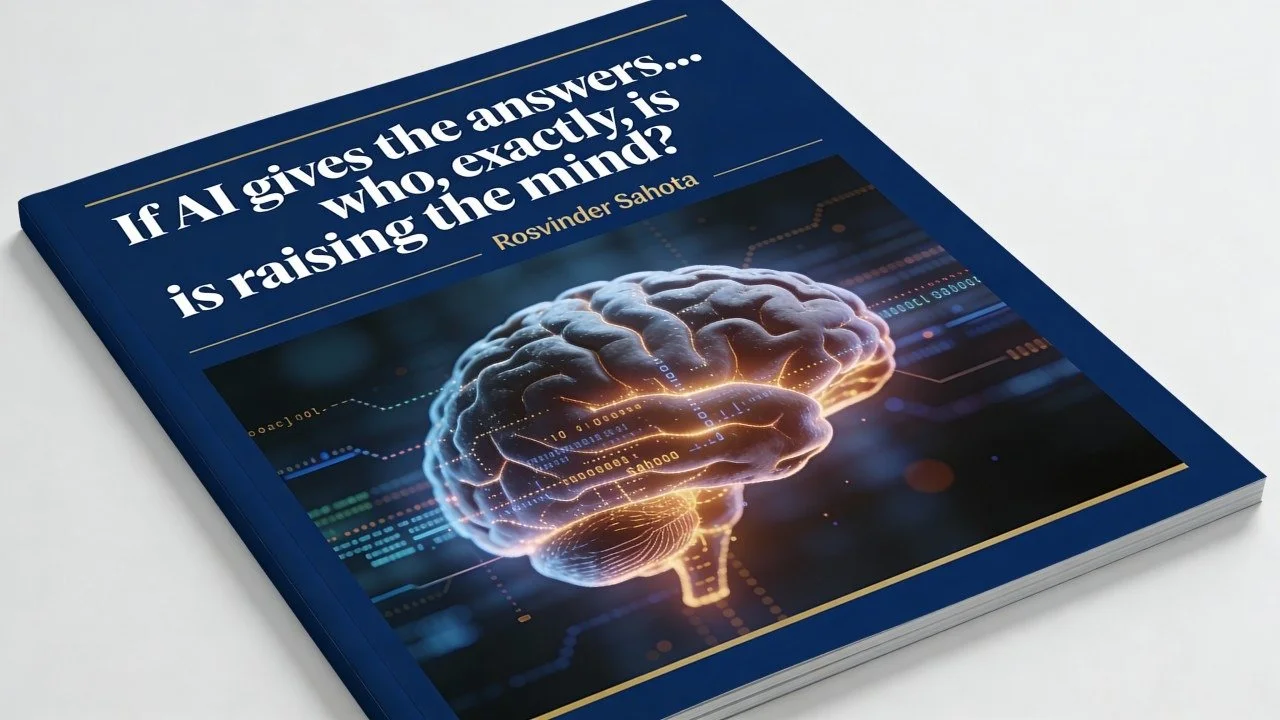
06
Hybrid & Evolving Learning Models
Years ago, on the wall of a classroom in New Zealand, I came across a simple sign: “Mistakes are learning opportunities.” It wasn’t decorative. It was permission. I watched students glance up at it when their confidence cracked, when they were stuck or embarrassed……
-
01
Curriculum Coherence & Learning Design
What Large Class Sizes Taught Me About Assessment. I used to think size doesn’t matter. Then I taught thirty-five students at once. That moment strips teaching down to its essentials……
-
02
Leadership Judgement Under Pressure
When Curriculum Expands, Something Has to Give. Back in 2012, long before AI entered everyday education conversations, I was working with teachers who were already grappling with a familiar tension……
-
03
Teacher Capability, Trust & Mentoring
If I weren’t a teacher mentor, I’m fairly sure I’d be a professional juggler — because anyone who has spent even five minutes in a kindergarten classroom knows just how much teachers are already juggling……
-
04
Ethical Use of AI & Educational Technology
AI in Education: Infrastructure or Judgement Work? “How do I create meaningful, AI-guided writing lessons when we don’t even have the infrastructure?” the principal said, almost apologetically……
-
05
Organisational Growth with Learning Integrity
The School Year Started with a Poem. The principal addressed all parents seated in the school hall and spoke to what many of us feel but don’t always say out loud. The first day of school is a big moment for children and a tender one for adults too……
-
06
Hybrid & Evolving Learning Models
Years ago, on the wall of a classroom in New Zealand, I came across a simple sign: “Mistakes are learning opportunities.” It wasn’t decorative. It was permission. I watched students glance up at it when their confidence cracked, when they were stuck or embarrassed……

Children’s Storybooks
The Kopi Cat Series
The Kopi Cat series grew out of a desire to explore large questions through small, everyday moments.
I began writing these e-books in response to my own children’s questions. I found that sometimes the most thoughtful answers take the form of stories.
Through curiosity, humour, and the quiet observations of a watchful cat, these stories reflect on the world we are building — and the values that shape it.
I Wrote a Story for My Children — Why?
While distinct from my advisory practice, the Kopi Cat series reflects the same commitment to thoughtful language, ethical development, and intentional design that informs my work with education leaders.
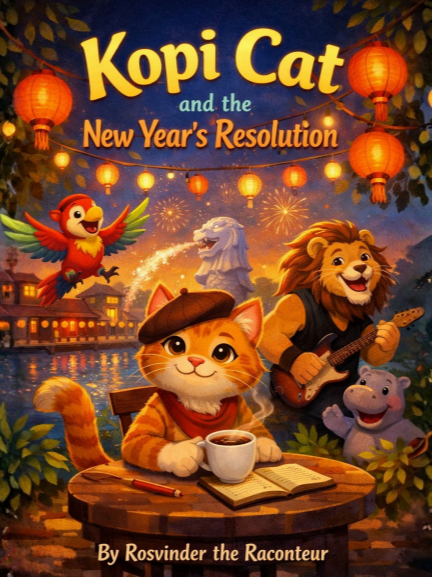
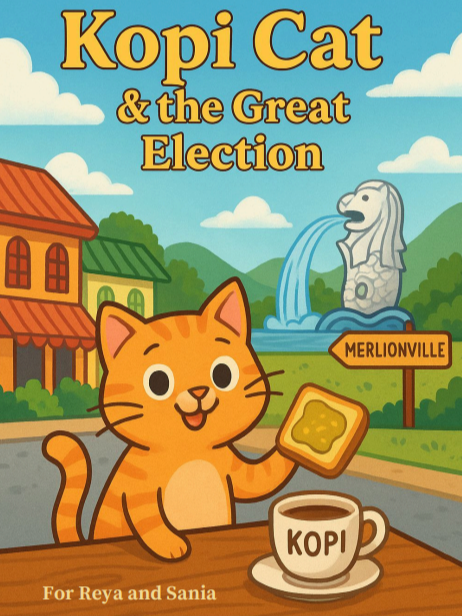
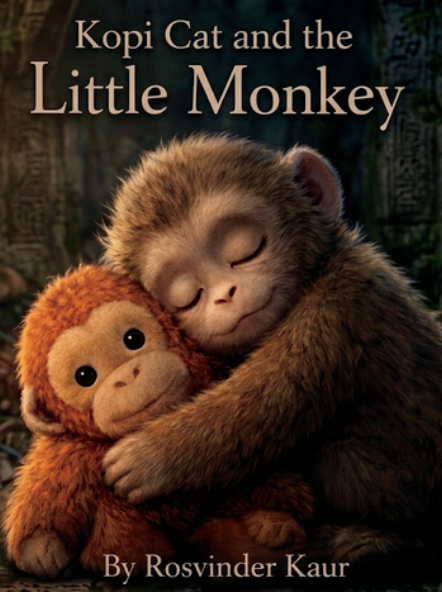
Writing, research, and storytelling remain extensions of my professional life, ways of thinking publicly about learning, judgement, and responsibility.